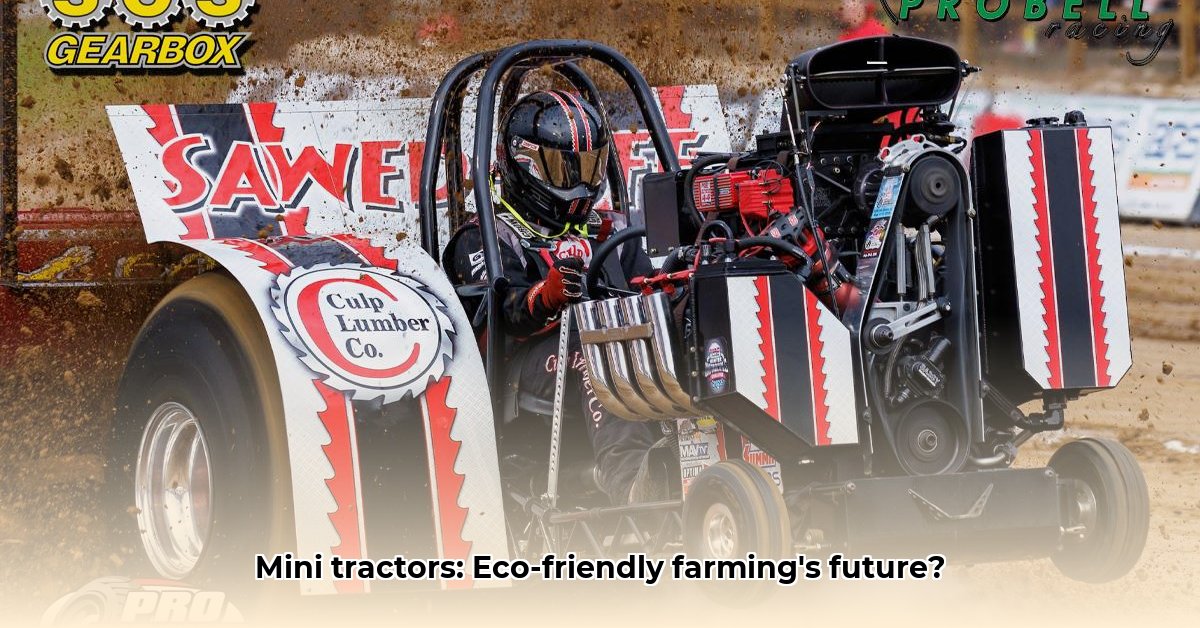
Mini Rod Pulling: Tradition Meets Environmental Challenge
The roar of the crowd, the smell of burning fuel, the sheer spectacle of tons of metal straining against the earth – mini rod pulling is a thrilling motorsport. These heavily modified tractors, testaments to engineering ingenuity and raw power, are purpose-built for intense pulling competitions. Yet, this exhilarating tradition faces a significant challenge: its substantial environmental footprint. Can we maintain the adrenaline-pumping action without sacrificing environmental responsibility? The answer, increasingly, is a resounding yes, but it requires innovation, collaboration, and a commitment to sustainability. For more on sustainable tractor technology, see this site.
The Environmental Impact: A Powerful Machine's Heavy Footprint
Mini rod pulling's reliance on internal combustion engines necessitates significant fuel consumption, leading to substantial greenhouse gas emissions. These emissions contribute directly to climate change and air pollution. Moreover, the substantial amount of raw materials—steel, aluminum, and various components—required in the manufacturing process further burdens the environment, particularly through energy-intensive production and waste generation. The life cycle of a typical mini rod pulling tractor, from manufacturing to disposal, carries a considerable carbon footprint. Isn't it time we considered the long-term consequences of our passion?
Sustainable Solutions: Revving Up a Greener Future
Fortuitously, the future of mini rod pulling doesn't necessitate sacrificing excitement for the environment. Several innovative solutions offer pathways to a more sustainable future:
1. Biofuels: Biofuels, derived from renewable sources like algae or agricultural waste, present a potentially cleaner alternative to fossil fuels. This shift could considerably reduce reliance on finite resources and lessen greenhouse gas emissions. However, challenges remain. Large-scale biofuel production requires substantial investment and optimization to prevent negative impacts on food production. The sustainability of the biofuel production process itself must also be rigorously ensured.
2. Electrification: The quiet hum of electric motors could replace the roar of internal combustion engines. While still in its nascent stages, advancements in battery technology are paving the way for electric mini rod pulling tractors. Overcoming the current limitations in range and power required for competitive pulling is crucial. Research focuses on higher-capacity batteries and more powerful electric motors to meet the demanding requirements of the sport. Could this mark a turning point?
3. Hydrogen Power: Hydrogen fuel cells, producing only water vapor as exhaust, represent a truly clean energy solution. However, sustainable hydrogen production methods are still under development. Currently, most hydrogen production relies on processes that release greenhouse gases. Therefore, breakthroughs in sustainable hydrogen generation are paramount for this technology to fulfill its promise.
4. Sustainable Materials: Minimizing the environmental impact of the tractors themselves is crucial. Utilizing recycled materials, such as recycled steel and aluminum, and exploring bio-based composites and sustainably sourced wood can dramatically reduce the need for virgin materials and associated waste. The challenge lies in ensuring these materials possess the necessary strength and durability for the demands of mini rod pulling competitions. Can sustainable materials meet the demands of this powerful sport?
A Collaborative Effort: Stakeholders' Roles in a Greener Future
Transitioning mini rod pulling to a sustainable sport demands a unified effort from all stakeholders. Each plays a vital role in fostering positive environmental change:
| Stakeholder | Role |
|---|---|
| Organizers | Implement stricter environmental regulations; promote and incentivize sustainable technologies; educate participants and spectators. |
| Manufacturers | Invest in R&D for sustainable materials and alternative powertrains; design energy-efficient tractors; conduct lifecycle assessments. |
| Researchers | Conduct lifecycle analyses; develop eco-friendly technologies and materials; optimize existing technologies for greater efficiency. |
| Government Agencies | Provide incentives; support research and development; create regulations encouraging eco-friendly technologies. |
| Sponsors | Prioritize environmentally conscious sponsorships; support teams and events committed to sustainability. |
| Competitors | Adopt sustainable practices; advocate for greener technologies; promote environmental awareness within the community. |
The Future of Mini Rod Pulling: A Balancing Act
The future of mini rod pulling lies in a delicate balance—preserving the sport's thrill while significantly reducing its environmental impact. This requires technological innovation, collaborative efforts, and a shared commitment to environmental responsibility. This is not merely about creating a greener sport; it's about protecting the long-term viability of this cherished tradition for generations to come. The road towards a truly sustainable future is challenging, yet the rewards—a vibrant, environmentally responsible mini rod pulling community—make it a journey well worth pursuing.